Nobody has ever had to force a child to play. Left to themselves, children run, climb, chase and dance until called in for dinner — and then, somewhere on the road to adulthood, movement quietly becomes a chore to be endured or skipped. The fitness industry's answer is discipline: earlier alarms, stricter programmes, more willpower. But willpower is a famously unreliable employee, and there is a better way to design an exercise life. Build it around enjoyment, and it largely runs itself.
Why enjoyment beats willpower
Research on exercise adherence keeps arriving at the same unfashionable conclusion: the strongest predictor of whether people are still active a year after starting is not the effectiveness of their programme but how much they liked doing it. Enjoyable movement generates its own motivation, while joyless routines draw down a limited reserve of self-discipline that busy weeks inevitably exhaust. This is why gyms sell most of their memberships in January and see the floor empty by March. The dropouts did not lack character; they simply chose activities they never wanted to do in the first place. Flip that equation — pick something you would do even if it burned no calories at all — and consistency stops being a battle, because showing up is its own reward.
Match the movement to your personality
The modern world offers more choices than any generation before us, and exploring them is half the fun. The person who finds the treadmill purgatory may lose track of time entirely on a woodland trail, in a dance class or halfway up a climbing wall. It helps to ask a few honest questions. Do you want company or solitude? Competition or calm? Fresh air or music and mirrors? The sociable thrive in team leagues and group classes, where friendship does the motivating; the meditative often fall for swimming, yoga or long walks; the competitive need a scoreboard, even a friendly one, before effort feels like fun. A surprisingly useful prompt is to remember what you loved at twelve years old — the swimmer, the cyclist and the footballer are usually still in there, waiting to be consulted.
Design it into your week
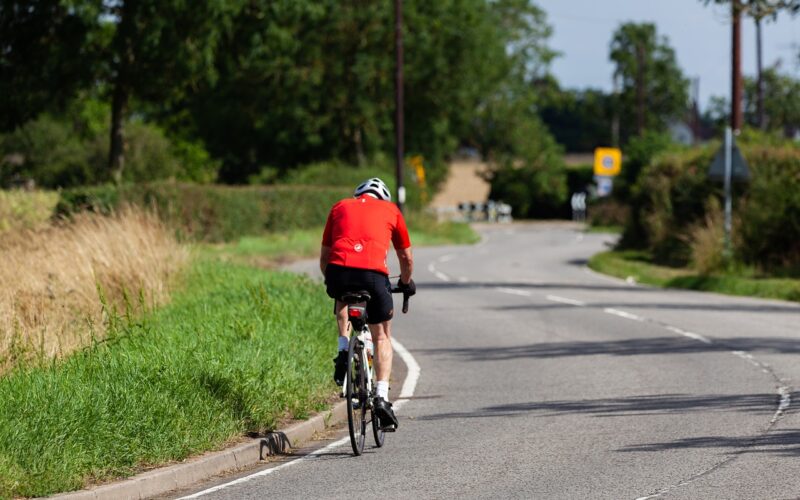
Enjoyment gets you started; design keeps you going. Convenience is worth more than ambition, so choose activities close to home or on the way back from work, because a twenty-minute drive each way will defeat even a beloved hobby in the depths of February. Anchor sessions to fixed points in your routine — the Tuesday class, the Saturday morning ride, the walk that follows the school drop-off — so they happen by default rather than by daily negotiation. Keep the kit ready by the door, book classes in advance, and start smaller than pride suggests: three sessions a week you actually attend beat six you abandon by autumn. Pairing movement with something you already relish — a favourite podcast saved for walks, coffee with a friend after the class — stacks the odds a little further in your favour.
Let the routine evolve with you
A fitness routine is not a marriage vow to one activity. Boredom is information, not failure, and rotating with the seasons — tennis in summer, the pool in winter — keeps movement fresh for decades. Measure progress in the currencies that matter: deeper sleep, steadier moods, stairs that no longer deserve comment, energy left over at the day's end. And recruit companions where you can, because a friend waiting at the corner is the most effective alarm clock ever devised. What begins as exercise has a way of becoming simply what you do on Thursdays, with people you would not want to let down.
The healthiest routine, in the end, is not the one that burns the most calories on paper; it is the one still happening next year. Designing a new lifestyle is a chance to stop treating movement as homework and restore it to what it was at the start — play, freely chosen, that happens to leave you fitter, calmer and rather happier on the road ahead.